
Winter Shelters for Community Cats: FAQs and Cold Weather Tips
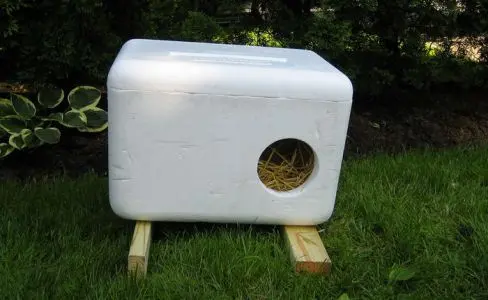
Simple winter shelters can help community cats stay warm, dry and protected during cold weather. Learn how to choose, set up and maintain an inexpensive shelter, plus how to keep cats safe during winter weather.
4 Quick Tips for Sheltering Community Cats
- Choose a simple, insulated shelter.
A foam cooler about 2 inches thick makes an inexpensive, waterproof and insulated shelter. Double-insulated plastic storage bins are another option.- Ask restaurants, medical offices and other businesses to save foam shipping coolers.
- Check with local shelters, rescues and TNR groups that may collect shelters or materials.
- For larger colonies, provide multiple shelters so cats have enough space.
- Place shelters where cats are safe.
Choose a protected location away from predators, wind and other hazards.- Place shelters behind a fence or other barrier when dogs are a concern.
- Face the entrance toward a wall or other protected area when possible.
- Secure lightweight shelters so they cannot blow or be moved.
- Consider two entrances when cats need an escape route from predators.
- Keep shelters small and entrances cat-sized.
A small, enclosed shelter helps cats retain their body heat and discourages larger animals from entering.- Make the entrance about 5½–6 inches wide, or roughly the width of a cat's whiskers.
- If using two entrances, add flaps to help keep cold air out.
- Cut the doorway several inches above the bottom of the shelter to help keep rain and snow out.
- A small, low sleeping space is preferable to a large dog house, crate or igloo.
- Keep shelters raised, dry and secure.
Elevating the shelter helps protect cats from cold, wet ground and makes it easier for them to warm the space with their body heat.- Raise the shelter off the ground and place straw underneath for additional insulation.
- Put the shelter on a slight slant to help rain and melting snow drain away.
- Secure lightweight shelters with flat weights, pavers, bricks or plywood.
- Check shelters regularly and clear snow from all entrances and exits.
Winter Shelter FAQs
Where can I find free or inexpensive shelter materials?
Look for materials that businesses and community organizations may otherwise discard.
- Restaurants and medical offices often receive foam shipping coolers.
- Ask businesses to save clean, usable coolers for your organization.
- Shelter, rescue and TNR groups may collect shelters for community cat caretakers.
- Donated plastic storage bins can also be converted into insulated shelters.
What should I use for bedding?
Use straw rather than blankets or towels.
- Straw resists moisture and provides insulation.
- Blankets and towels can absorb moisture and become cold when wet.
- Add enough straw for cats to burrow into and curl up comfortably.
- Replace wet or soiled bedding as needed.
How can I keep other animals out?
A small, cat-sized entrance and regular use by cats can discourage other animals from taking over the shelter.
- Keep the entrance as small as practical—about 5½–6 inches wide.
- A small opening can discourage larger animals such as raccoons.
- Place shelters in protected locations away from predators.
- Regularly check shelters to make sure they are being used safely.
Should the shelter have one entrance or two?
A second entrance can give cats an escape route when predators are a concern.
- Two entrances provide another way out if a cat is threatened.
- Two openings also allow more cold air into the shelter.
- Add flaps to both entrances to reduce heat loss.
- Check both entrances regularly and keep them clear of snow.
How can I protect a shelter from wind?
Secure lightweight shelters so they cannot move or blow away.
- Place flat weights inside under the bedding.
- Use heavy rocks, pavers or bricks on the lid.
- A sheet of plywood can also help weigh down lightweight shelters.
- Position shelters where buildings, fences or other structures provide additional wind protection.
What should I do after heavy snowfall?
Keep all shelter entrances and exits clear of snow.
- Check shelters regularly during snowstorms.
- Shovel or brush away snow before entrances become blocked.
- Make sure cats can enter and leave safely.
- Check that snow and ice have not accumulated on or around the shelter.
Should I use salt or ice-melting products near community cat shelters?
Avoid salts and other ice-melting chemicals around areas used by community cats.
- Cats can ingest chemicals while grooming them from their paws.
- Some products can irritate or damage paw pads.
- Keep treated snow and melting runoff away from shelters, feeding areas and water sources.
How can I make sure cats have access to water in winter?
Provide fresh water and check it frequently during freezing weather.
- Water can freeze quickly during cold weather.
- Check water regularly and replace frozen water.
- Place water where it is protected from snow, ice and contamination.
- Monitor cats and their food and water needs during periods of extreme cold.
What if I need a shelter quickly?
A temporary shelter can provide protection while you find a more durable option.
- A cardboard box is better than no shelter in an emergency.
- Keep it elevated and protected from rain and snow.
- Use temporary materials only while they remain dry and intact.
- Replace cardboard with a waterproof, insulated shelter as soon as possible.
Can I use a dog house, dog igloo or pet carrier?
These are generally not ideal winter shelters for community cats.
- Large entrances allow too much cold air inside.
- Large or tall spaces are harder for cats to warm with their body heat.
- A small, low shelter with a cat-sized entrance works better.
How can I prevent cats from damaging a foam shelter?
Protect the floor and doorway if cats begin chewing or scratching the foam.
- Place a vinyl floor tile, thick contact paper or piece of plywood under the bedding.
- If cats chew around the doorway, cover the edges with duct tape.
- Camouflage or earth-tone colors can help the shelter blend into its surroundings.
Key Takeaways
For effective winter shelters, focus on five things:
- Insulate: Use a small, waterproof shelter with straw bedding.
- Protect: Place it somewhere safe from predators, wind and other hazards.
- Keep it small: Use a cat-sized entrance and low sleeping space.
- Keep it dry: Raise the shelter, protect it from weather and clear snow regularly.
- Monitor: Provide fresh water and check shelters, food and water throughout severe weather.
We have lots more on this subject: